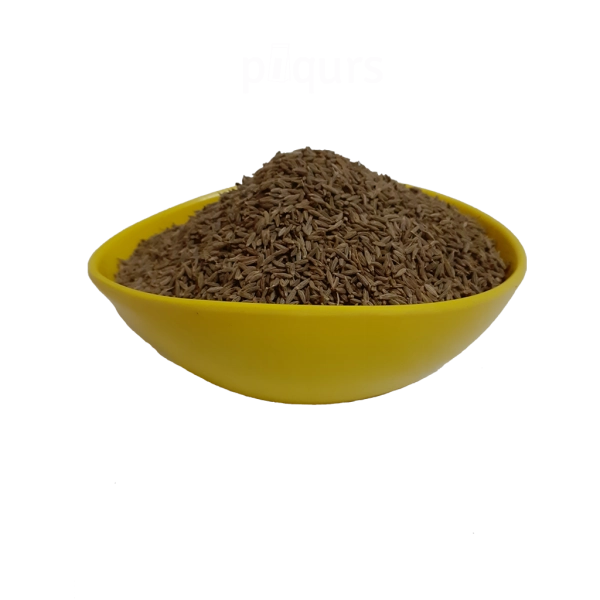
Jeeragam (cumin seeds)
- Tamil jeeragam / sirakam (சீரகம்)
- Kannada jeerige (ಜೀರಿಗೆ)
- Malayalam jeerakam (ജീരകം)
- Telugu jeelakarra (జీలకర్ర)
- Hindi jeera
- English cumin seed
Jeeragam (சீரகம்) is Tamil for cumin seeds – also written sirakam or seeragam. The seed of Cuminum cyminum is the backbone of rasam, and in South Indian cooking it appears both roasted and raw, whole and ground.
Where ours comes from
Our cumin comes from the Nilgiris and is cleaned and packed here. Good cumin smells warm and slightly sweet when crushed; if it smells of nothing, it has been sitting in a warehouse too long.
How it is used in South Indian cooking
- In rasam – roasted and ground fresh with pepper, stirred in at the end. This is its most important South Indian role.
- In sambar and curry powders – roasted with coriander and the dals.
- In tempering – a pinch in oil, after the mustard seeds, for poriyal and thoran.
- In kurma and Chettinad masalas – with fennel and pepper.
- In buttermilk – a South Indian summer habit: cumin powder with curry leaves and salt.
Storing it
Cumin keeps its aroma for about a year whole. Roast and grind only what you will use in a week or two – ground cumin fades quickly and is the main reason home rasam tastes better than restaurant rasam.
Buying and cooking
See pack sizes and prices, and the recipe for Jeeraga rasam.


